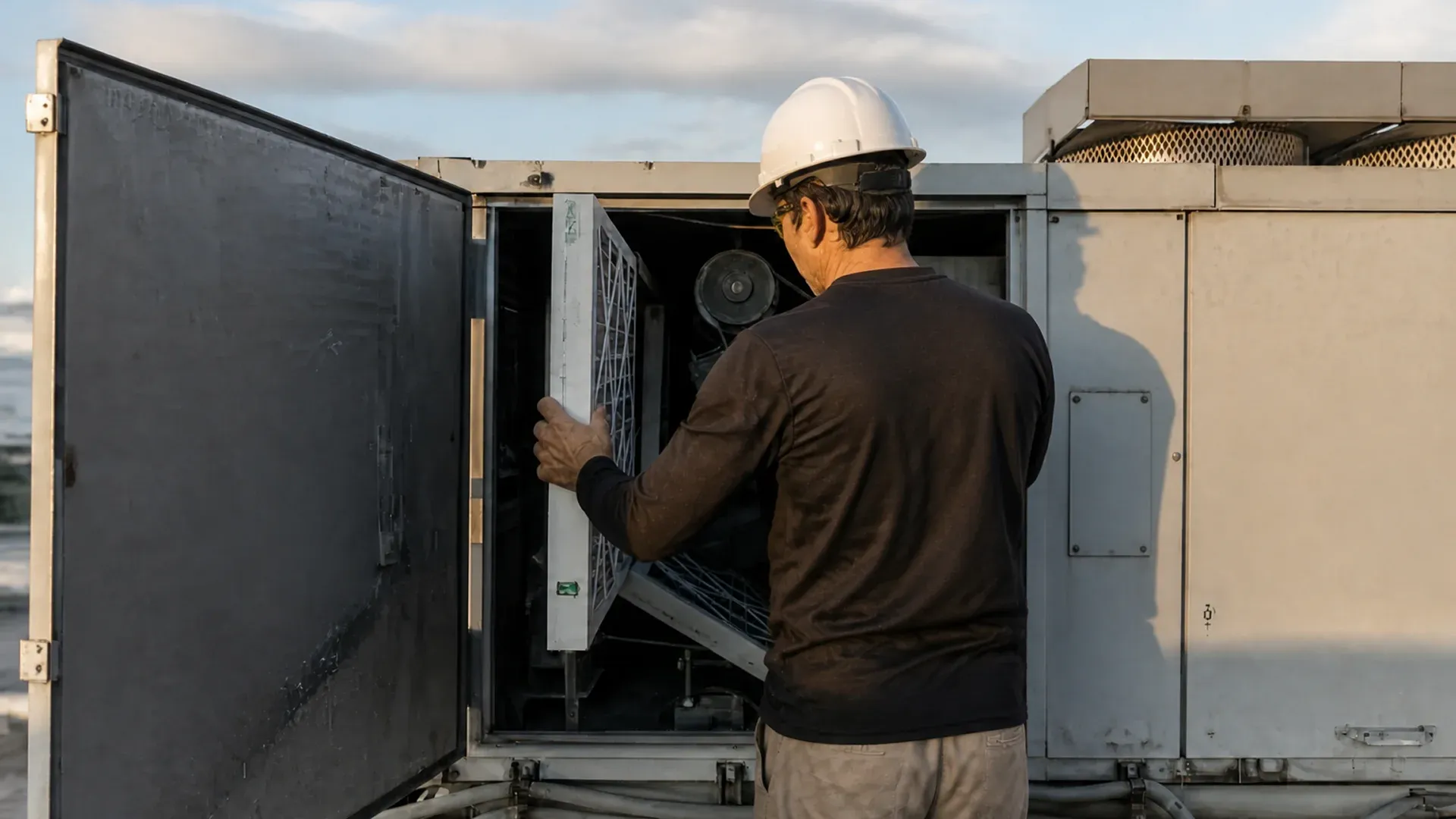
If you install ductwork for a living, size refrigeration systems in your sleep, or have spent years crawling through attics running HVAC lines, you already know the trade. What you might not know is how brutal the path to a Florida mechanical contractor license can feel once you actually sit down to apply. Between the DBPR paperwork, the credit checks, and two open book exams that punish anyone who walks in unprepared, plenty of skilled techs stall out before they ever touch a state seal.
A Florida mechanical contractor license is not just a piece of paper. It is the credential that lets you legally bid, sign permits, and run your own mechanical contracting business anywhere in the state, without registering city by city. Every step in this guide leads back to that one goal, a Florida mechanical contractor license in hand. It separates the contractor who owns the job from the technician who only ever works under someone else's number. That difference shows up in your paycheck, in the projects you can chase, and in who gets to put their name on the permit.
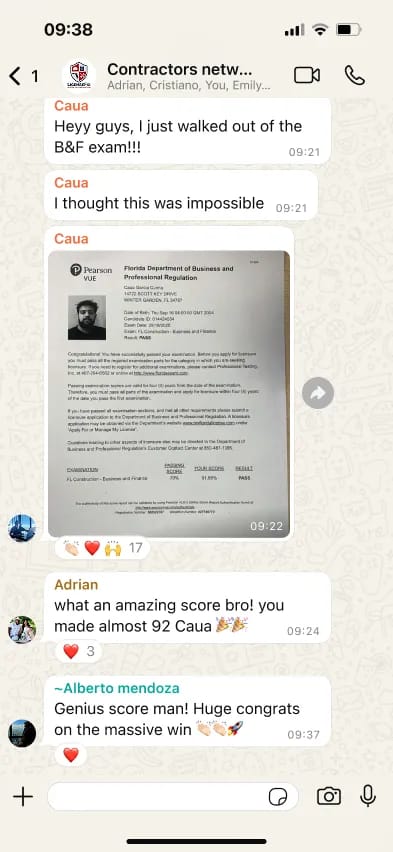
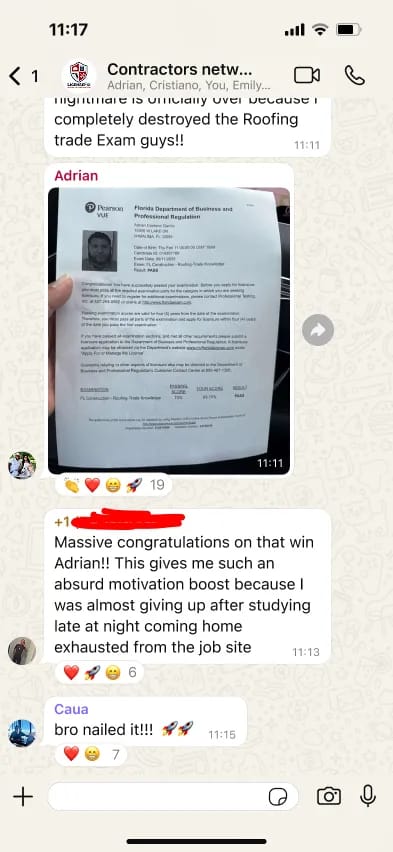
This article breaks down what a Florida mechanical contractor license actually covers, what the state expects from applicants, and how a structured exam prep course, like the one built by License Fix School, changes your odds of passing the Florida mechanical contractor license exams on the first attempt.