
What Is a CRC License in Florida? Full Guide
What is a CRC license in Florida? See what it covers, how it compares to CBC and CGC, and how to get certified. Start your path today!

Adrian Coastal Roofing
If you have spent time researching Florida contractor licenses, you have likely run into an alphabet soup of abbreviations: CGC, CBC, CRC. Understanding what is a CRC license in Florida before you start studying can save you months of preparing for the wrong exam, or worse, holding a license that does not cover the work you actually want to do.
This guide breaks down exactly what a CRC license in Florida allows, how it differs from the other main contractor license types, and what it takes to get one in the state.
What Is a CRC License in Florida, Exactly?
CRC stands for Certified Residential Contractor. So when someone asks what is a CRC license in Florida, the short answer is: it is a state-level certification that authorizes you to construct, remodel, repair, or improve one- and two-family residences and townhouses up to two stories, anywhere in the state of Florida.
The word "Certified" in a CRC license in Florida matters. Certified licenses in Florida are issued by the state Construction Industry Licensing Board (CILB) and allow you to work in any county or municipality without needing separate local competency exams. This is different from a "Registered" contractor license, which limits you to the specific jurisdictions where you passed a local exam.
A CRC license in Florida does not cover commercial buildings, structures over two stories, or multi-family buildings beyond a duplex. If your business plans include larger residential complexes or commercial work, a CBC (Certified Building Contractor) or CGC (Certified General Contractor) license may be a better long-term fit, and that is worth deciding before you commit to exam prep for a CRC license in Florida.
CRC vs. CBC vs. CGC: How the Certified Licenses Compare
Understanding what is a CRC license in Florida also means understanding how it sits next to its closest relatives:
LicenseScopeCRC (Certified Residential Contractor)One- and two-family homes, townhouses up to two storiesCBC (Certified Building Contractor)Buildings up to three stories, commercial, and residentialCGC (Certified General Contractor)Unlimited scope — commercial and residential, any size or height
The CRC exam tends to be the most focused of the three, concentrated specifically on residential building codes, methods, and standards, which is part of why many contractors who exclusively build or remodel homes choose a CRC license in Florida over the broader CBC or CGC. The trade-off is scope: if your business grows into larger multi-family or commercial projects later, you will need to upgrade your license.
All three certified licenses share the same Business and Finance exam requirement, covering contract law, lien rights, and basic accounting. The difference lies entirely in the trade knowledge portion of the exam, which is why candidates asking what is a CRC license in Florida should focus their comparison on scope of work rather than exam difficulty alone.
Who a CRC License in Florida Actually Fits
Not every contractor needs the broadest license available, and this is where understanding a CRC license in Florida really pays off. If your business is built around single-family home construction, kitchen and bath remodels, additions, or townhouse work, a CRC license in Florida covers essentially everything you do without the extra experience requirements attached to a CBC or CGC.
Contractors who choose a CRC license in Florida often do so because it shortens the path to a statewide credential. The trade exam stays narrowly focused on residential systems, which means less time spent studying code sections that will never come up in your actual work. For many residential-only builders, a CRC license in Florida is not a stepping stone, it is the right long-term license.
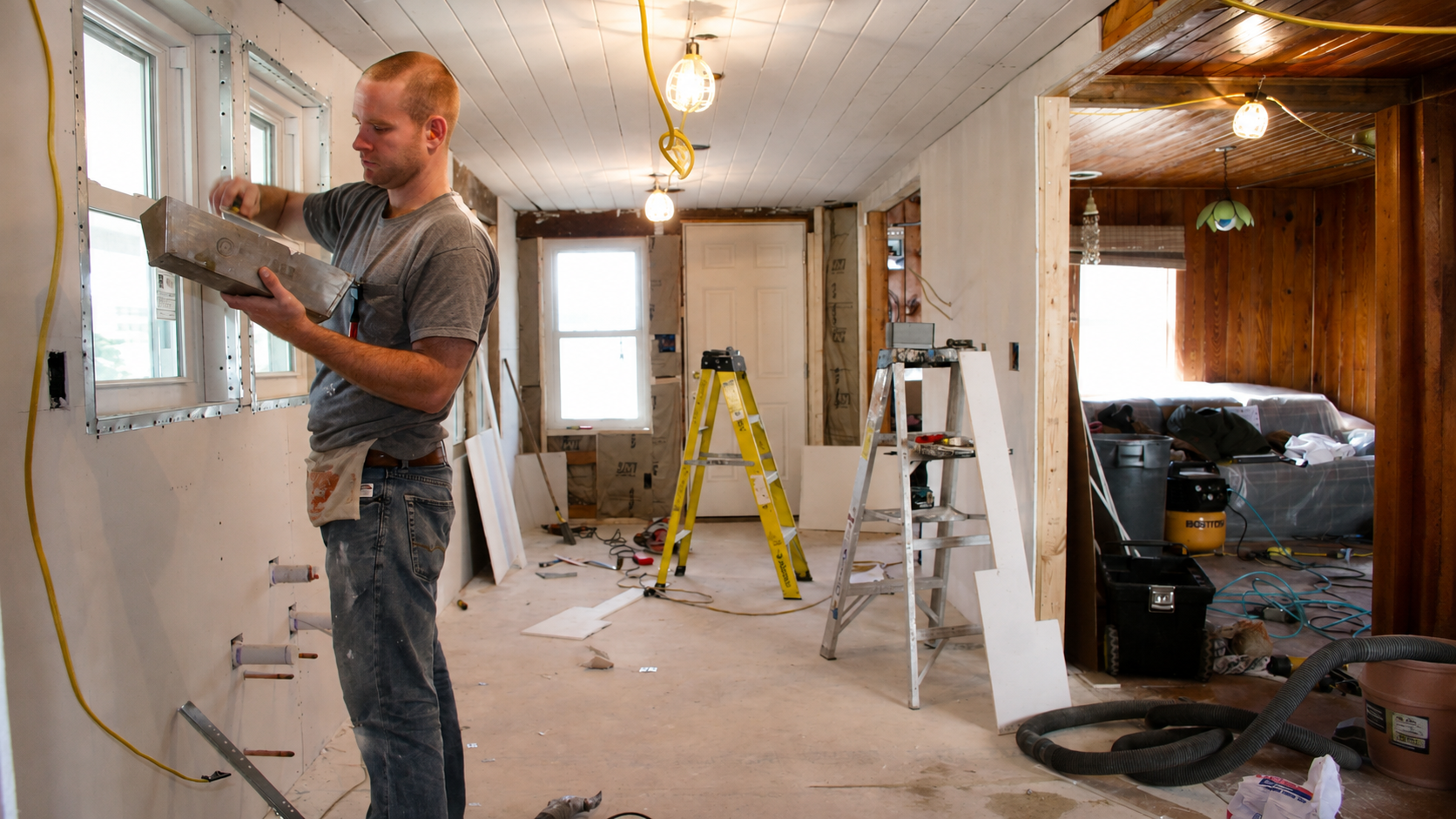
How to Get a CRC License in Florida
Once you know what a CRC license in Florida covers, the path to earning one follows a defined process through the DBPR and Pearson VUE:
- Confirm eligibility. Candidates typically need a combination of verified work experience in residential construction, and in some cases relevant education, financial stability documentation, and a background check.
- Submit your application through the Florida DBPR, including experience affidavits and required fees.
- Study and prepare for both the residential trade exam and the Business and Finance exam using DBPR-approved reference materials.
- Schedule your Pearson VUE exam for both sections once your application for a CRC license in Florida is approved.
- Pass both sections, then complete final licensing steps including insurance and bonding requirements before you can legally operate as a CRC license holder in Florida.
The full process, from initial application to an active CRC license in Florida, commonly takes several months, so candidates who plan ahead have a significant advantage over those who wait until they are ready to test.
Renewal and Growing Beyond a Residential Scope
Holding this credential is not a one-time achievement. Like every certified license issued through the CILB, it requires periodic renewal, continuing education hours, and staying current with code updates that affect residential construction. Building renewal deadlines into your calendar early prevents the credential from lapsing, which can create costly delays if you need to reinstate it before bidding on a project.
Some contractors eventually outgrow the residential-only scope. If your business starts taking on triplexes, small commercial buildouts, or larger mixed-use projects, upgrading from a residential-only certification to a broader Certified Building Contractor or Certified General Contractor credential becomes the logical next step. The good news is that the Business and Finance knowledge you built the first time around carries forward, since that exam section is shared across nearly every certified license type in the state. Only the trade-specific portion of the exam changes when you decide to expand your scope of work later in your career.
Reciprocity is another factor worth understanding early. Because this is a statewide certified credential rather than a locally registered one, it already lets you work in any Florida county without additional local exams, which is one of its biggest practical advantages over a county-restricted registration.
Frequently Asked Questions
What is a CRC license in Florida used for?
A CRC license in Florida authorizes licensed work on one- and two-family residences and townhouses up to two stories anywhere in Florida, covering new construction, remodeling, and repairs within that residential scope.
Is a CRC license the same as a CBC license?
No. A CRC license in Florida is limited to residential structures up to two stories, while a CBC (Certified Building Contractor) allows work on buildings up to three stories, including commercial projects. Both are Certified, meaning they carry statewide authority.
Can a CRC license holder do commercial work in Florida?
No. A CRC license in Florida is limited to residential construction. Contractors who need to bid commercial work should pursue a CBC or CGC license instead.
Final Thoughts
Now that you know what a CRC license in Florida actually allows, you can make an informed decision about whether it fits your business goals or whether a broader Certified license makes more sense long term. For most contractors focused exclusively on residential work, a CRC license in Florida offers a faster, more focused path to a statewide license than the alternatives.
If you are ready to start studying, check out LicenseFix School's Residential Contractor exam prep course built specifically for the CRC license in Florida exam.

About Adrian Coastal Roofing
Adrian is the CEO of Coastal Roofing, a company specializing in roof installation in Florida, recognized for its quality, reliability, and excellence in residential and commercial projects. With years of experience in the construction industry and Florida roofing, Adrian has built his reputation by delivering durable solutions that withstand the state’s extreme weather. Under his leadership, Coastal Roofing has become a leader in roof installation in Florida, offering modern systems such as TPO, PVC, metal roofing, and other efficient solutions to reduce costs and extend the lifespan of roofs.